
No longer believing what you see? Good. That is exactly the right instinct for 2026.
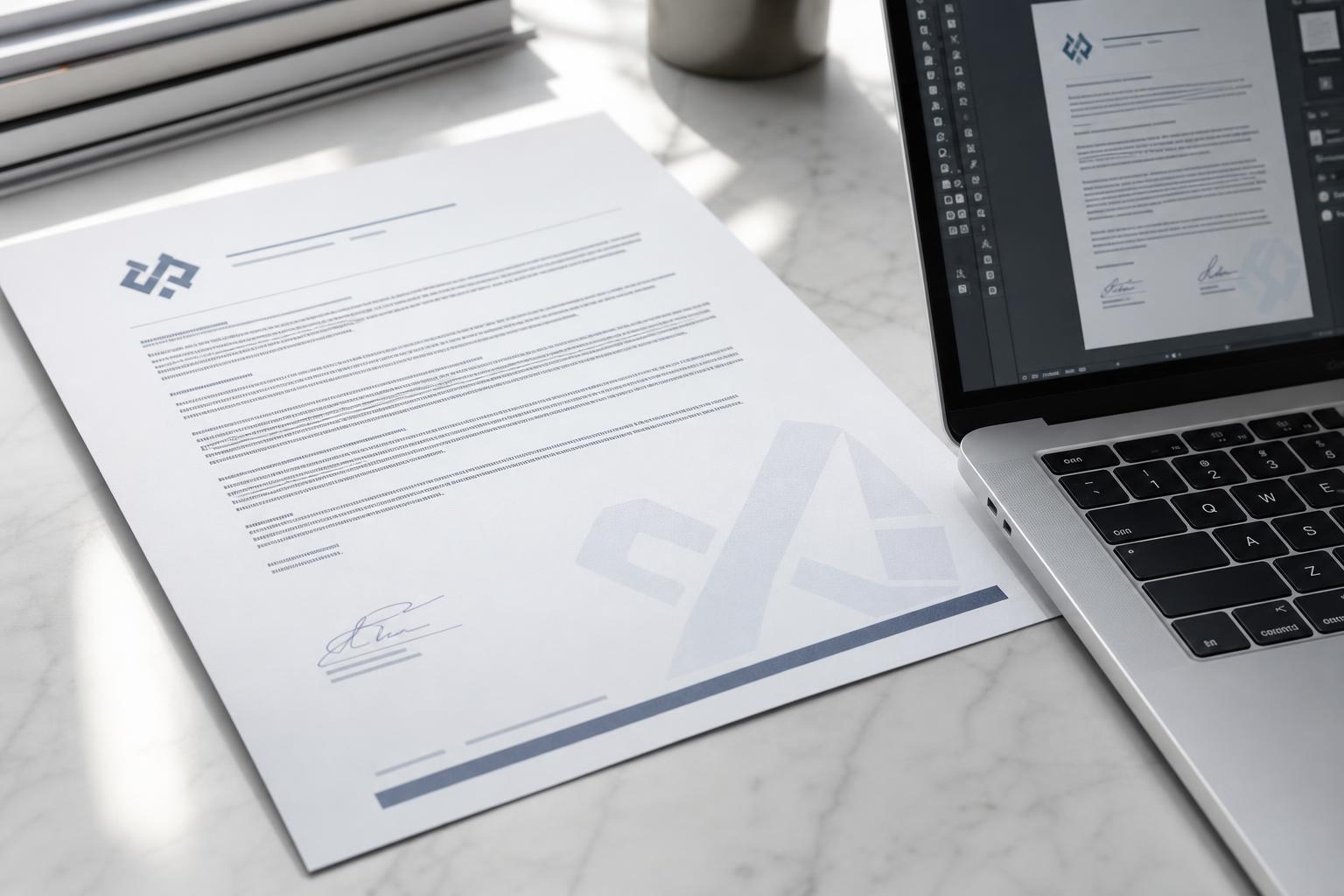
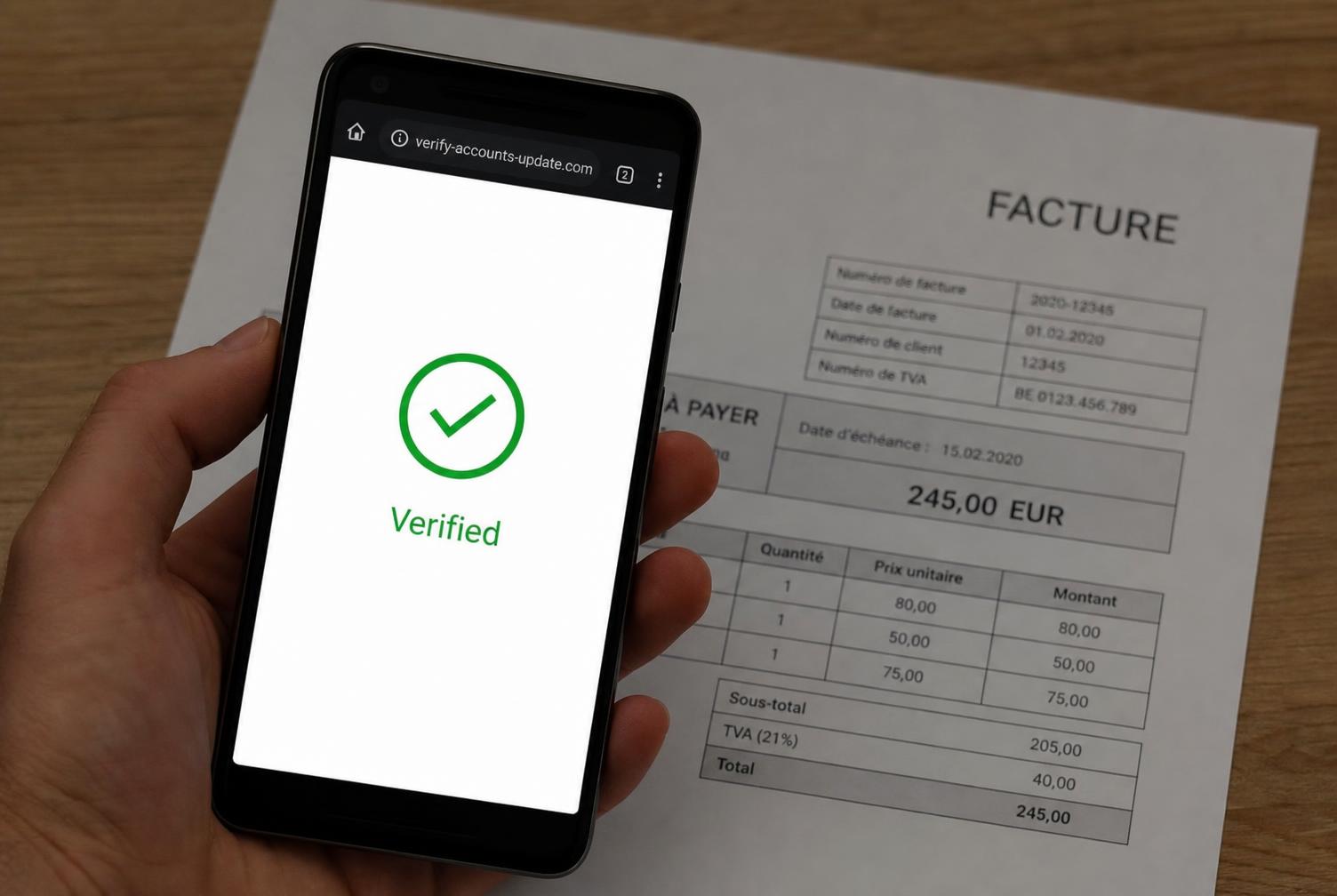
An invoice can be modified. A bank number replaced. A signature replicated. A certificate fabricated. A complete website generated to support the illusion. And none of it looks fake anymore. The typos are gone. The weird fonts are gone. The clumsy phrasing that used to warn you something was off has been replaced by prose that sounds exactly like your CEO, your supplier, or your bank.
A few years ago, creating a convincing forgery took skill, time, and money. Today it takes a prompt. AI can clone a voice in seconds, recreate a logo in seconds, and rewrite a contract in the same tone as your legal team. The result is not a slightly-off PDF that sets off alarm bells. It is a document that looks, sounds, and behaves like the real thing because, in most visible ways, it is a perfect copy of the real thing.
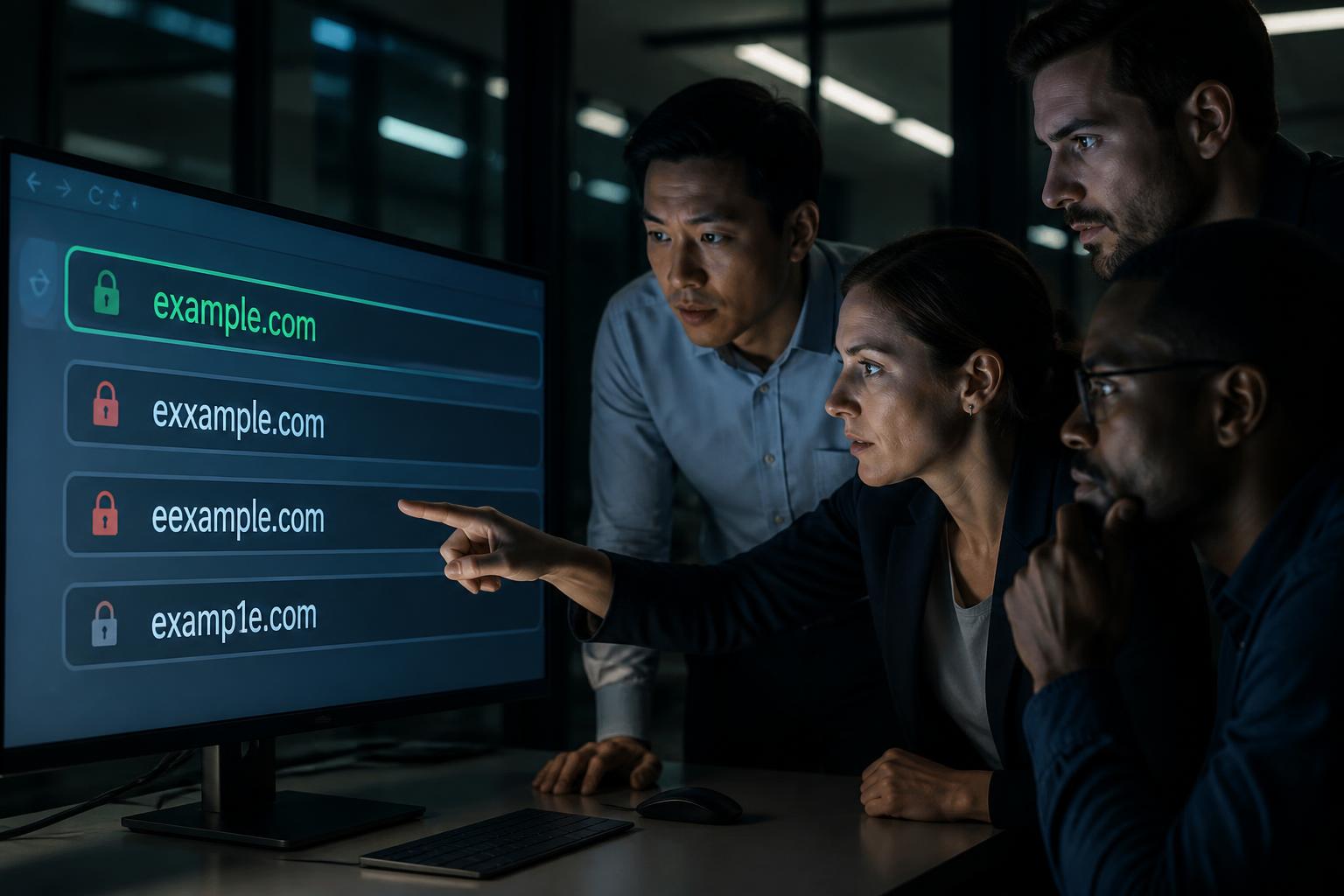
The Swiss National Cyber Security Centre reported in July 2026 that reports involving AI-crafted emails and websites continue to climb. Fakes are no longer edge cases. They are mainstream enough that national authorities are issuing weekly warnings. A generated invoice can match the original typography, layout, and language. A cloned website can copy the footer, the login form, and the URL close enough to fool someone in a hurry. A deepfaked video can show a CFO authorizing a payment that never happened.
The attack is not on your firewall. It is on your eyes. The document is not broken into. It is rebuilt from scratch, better than before, and sent to you with a smile.
So here is the uncomfortable question: if the fake looks perfect, what exactly are you trusting?
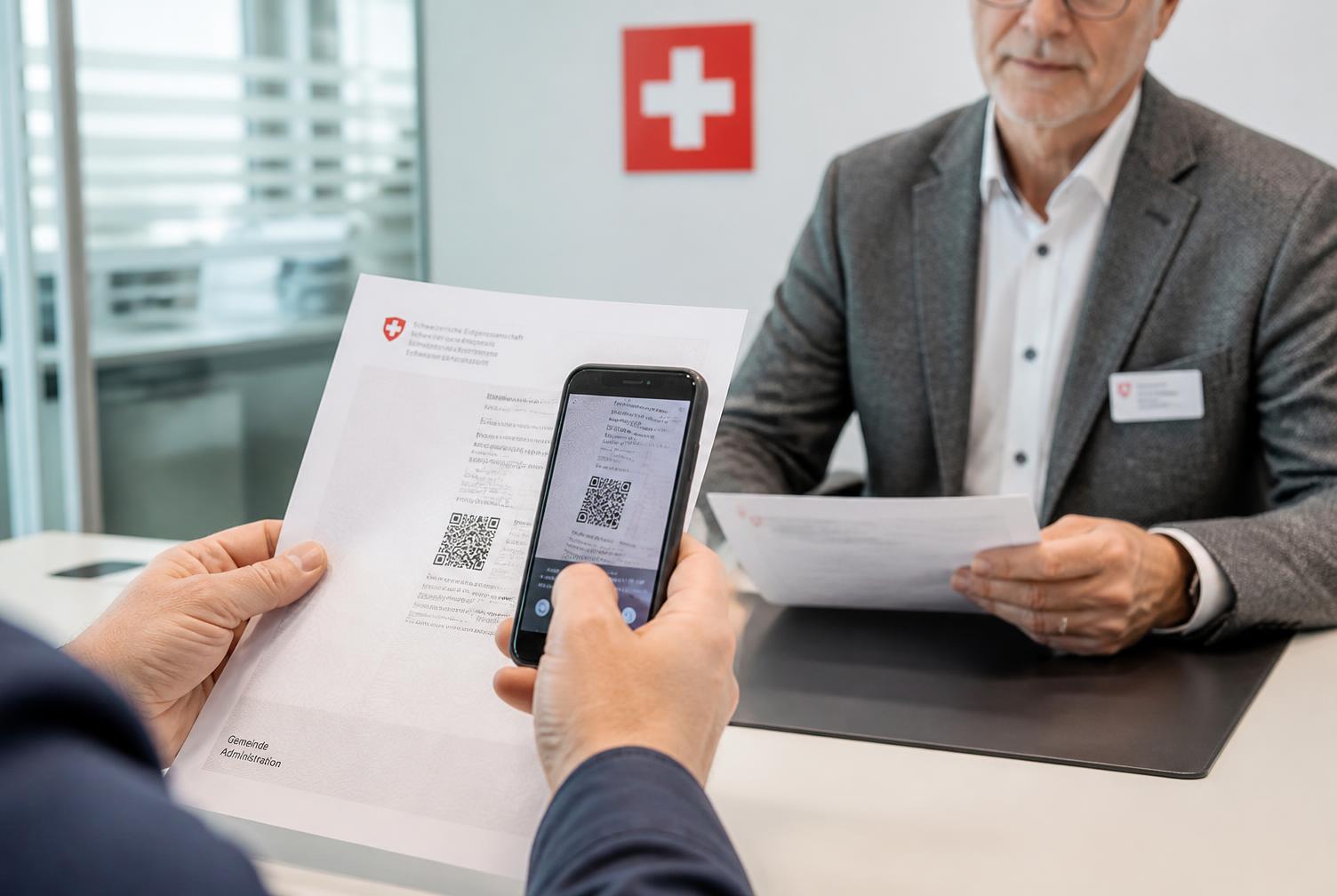
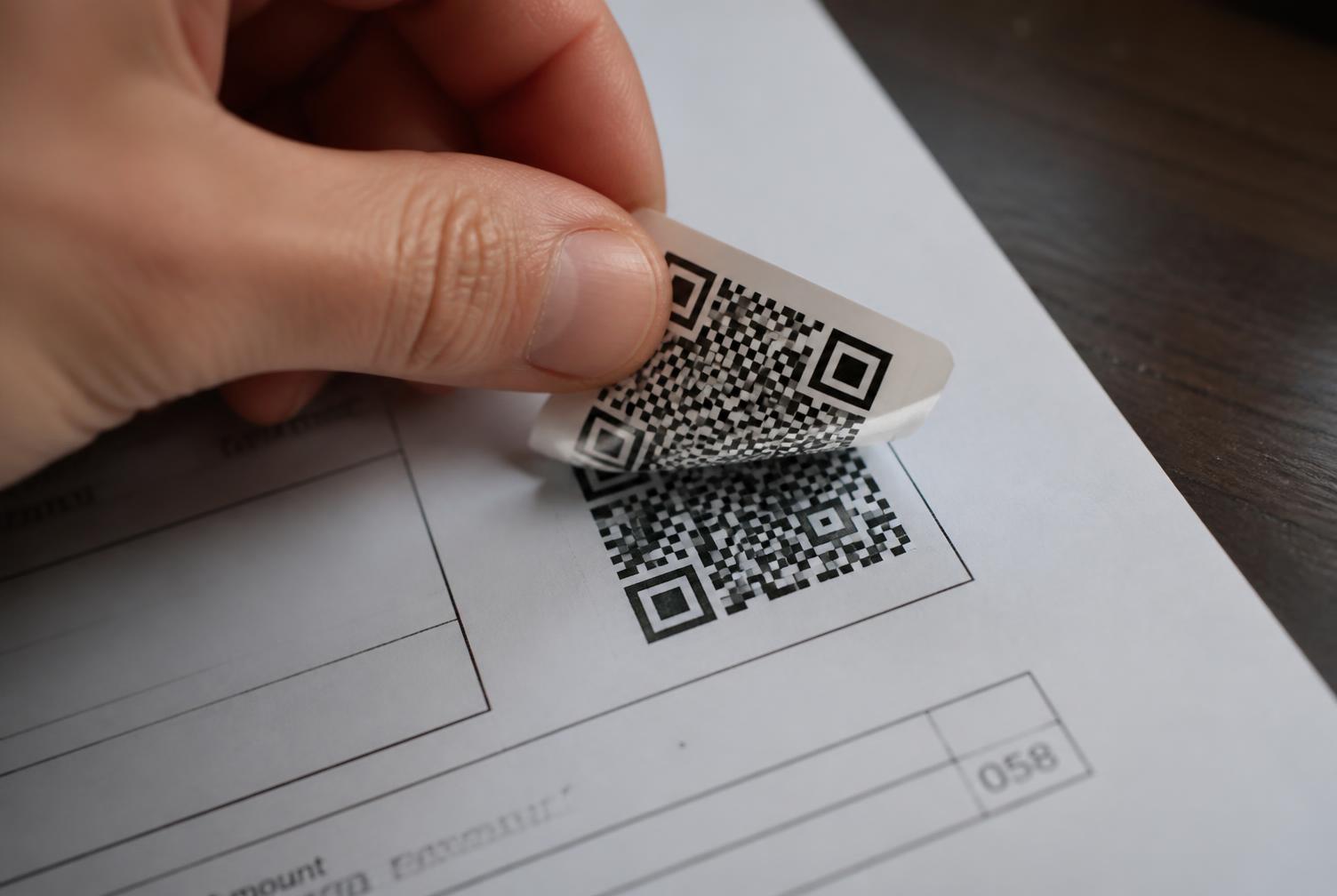
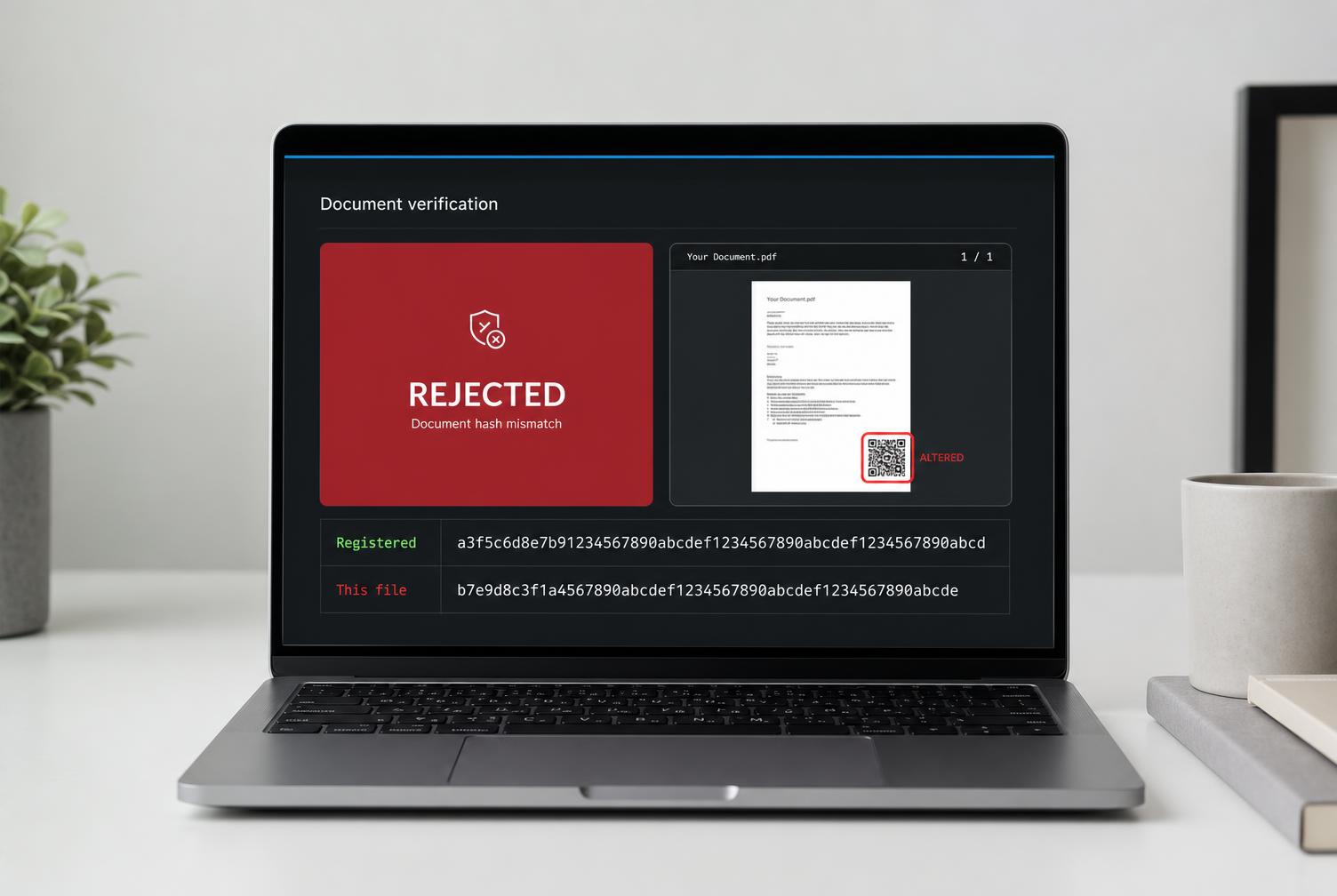
Can you independently prove this is the same document that was actually issued?